Continuing Coach Education (CCE) · 16 Hours

Shift to Mastery: From Solving Client Problems to Coaching Client Growth.

A facilitated CCE course for coaches, leaders who coach, HR/OD professionals, consultants, and helping professionals ready to retire the helper habits of solving, fixing, advising, and rescuing — and embody a disciplined coaching stance instead.

At a glance ● Coming Soon

An evidence-based, ICF-approved continuing education course.

  • ✓Format Live virtual cohort
  • ✓Schedule Tuesdays, 6-9 p.m. EST
  • ✓Next cohort Feb 2 - Mar 9, 2027
  • ✓Investment $1,600 USD
  • ✓CCE Hours 16
  • ✓Facilitator Dr. Nila Jennings
Join the next cohort

“Coaching mastery is not about having fewer answers. It is about having greater trust in the client's capacity to discover their own.”

Dr. Nila Jennings

The curriculum

Six weeks. One disciplined shift in practice.

Before we can change how we coach, we must understand why we coach the way we do. Each week pairs a coaching framework with reflective practice and live skill work.

Week 01

What if helping too quickly teaches the client to look outside themselves?

This week introduces a core distinction in masterful coaching: supporting the client without taking over the client's work. We explore how coaching protects autonomy, strengthens self-direction, and creates the conditions for client growth.

Week 02

The secret to role clarity is knowing who you become under pressure.

This week explores how a coach's professional identity can shift in the moment when a client brings complexity, emotion, or uncertainty. We examine how coaches drift into expert, advisor, teacher, or rescuer roles, and what it takes to return to the coaching role.

Week 03

Did you know the urge to solve may be a signal, not a strategy?

This week examines the internal reactions that can pull coaches out of presence and into fixing. We explore how discomfort, urgency, empathy, or the need to be useful may reveal something happening within the coach.

Week 04

What if the client's problem is not the problem you think it is?

This week challenges the coach's assumption that the presenting issue is the whole issue. We examine why the coach cannot fully access the client's context, meaning, history, emotions, assumptions, or map of the world, and why solving from the outside can miss the deeper coaching opportunity.

Week 05

The fastest way to lose your client may be to get ahead of them.

This week explores the discipline of presence when the coach sees patterns, possibilities, or next steps before the client does. We examine how moving too quickly can interrupt awareness, weaken ownership, and shift the conversation from client discovery to coach direction.

Week 06

What happens when the coach breaks the coaching promise?

This week examines the ethical foundation of the coaching agreement. When a coach shifts into telling, directing, rescuing, or deciding for the client, the coach may break the very agreement that made coaching possible. We explore how honoring the contract protects trust, strengthens credibility, and preserves the client's confidence in both the coach and the coaching process.

Who should enroll

Designed for professionals ready to coach, not just consult.

If your role asks you to grow people, and you keep catching yourself solving, this course is for you.

01

Coaches

Practicing coaches who want to deepen ICF-aligned mastery and reduce subtle advice-giving habits.

02

Leaders Who Coach

Managers and executives developing a coaching approach to grow people without solving for them.

03

HR / OD Professionals

Internal practitioners using coaching to support change, performance, and leadership development.

04

Consultants & Helping Pros

Advisors, therapists-as-coaches, and helping professionals adding rigorous coaching capability.

Week 4 teaching point

The move most helpers miss.

By Module 4, participants practice the single move that distinguishes a coach from a consultant: coaching the client's thinking about the problem, rather than jumping to solve the problem itself.

Most helpers were trained to listen for the answer. Coaching mastery asks you to listen for the client's map (the assumptions, identities, and choices already shaping their view) and to make that map workable, together.

“Coach the client's thinking about the problem. Not the problem itself.”

Week 4 · Shift to Mastery

Outcomes

What participants will be able to do.

By the end of the cohort, you will have practiced and integrated the following.

01

Hold a coaching stance under pressure

Recognize your own helper triggers and return to presence, on purpose.

02

Coach thinking, not problems

Work with the client's map of the world rather than substituting your own.

03

Distinguish coaching from consulting, mentoring, and therapy

Name the boundary clearly, for yourself, your clients, and your sponsors.

04

Use reflective practice as a discipline

Build a sustainable rhythm of journaling, peer practice, and feedback.

05

Apply ICF ethics in real situations

Move from ethics as a document to ethics as everyday coaching behavior.

06

Earn 16 CCE hours toward ICF credentialing

Useful for renewal, maintenance, and continued credibility.

Why this course is different

Four disciplines, woven into every module.

Organization Development & Change

Coaching grounded in systems, not just techniques, so growth holds up in real organizations.

Coaching as a Distinct Practice

A clear, defensible boundary between coaching, consulting, mentoring, and therapy.

ICF Professional Standards

Aligned with ICF core competencies and ethics, useful for accreditation and credibility.

Reflective Practice

Structured journaling, peer practice, and feedback so the shift is embodied, not just understood.

Facilitated by

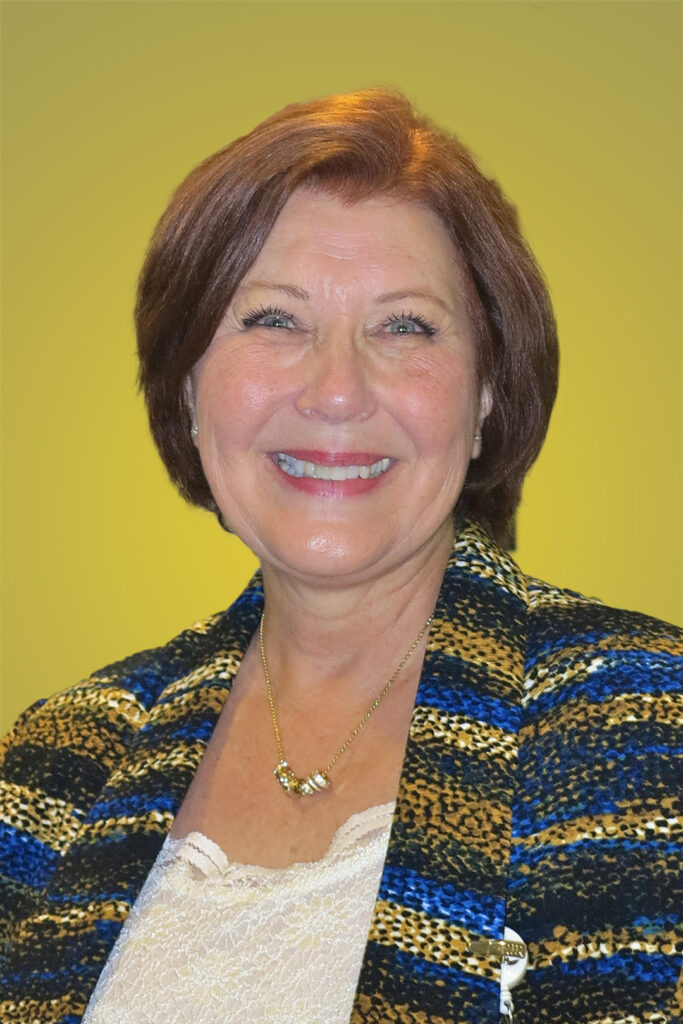
Dr. Nila Jennings

Dr. Jennings has spent her career helping coaches, leaders, and helping professionals make the disciplined move from solving to coaching, without losing their warmth, their expertise, or their effectiveness.

  • Doctorate in Organization Development & Change
  • Master's in Coaching
  • ICF-Certified Professional Coach
  • Founder, Fusion Coaching and Consulting Group
Read full bio →

Next cohort

Ready to make the shift?

Join the next cohort of Shift to Mastery, or request full course details and pricing.
“

Coaching mastery is not about having fewer answers. It is about having greater trust in the client’s capacity to discover their own.

Dr. Nila Jennings
Course details
CCE Hours
16 CCE Hours
Format
Live virtual cohort
Schedule
Tuesdays, 7 - 9 PM ET
Investment
$1,600 USD
“

Before we can change how we coach, we must understand why we coach the way we do.

Dr. Nila Jennings
WEEK 1
What if helping too quickly teaches the client to look outside themselves?
This week introduces a core distinction in masterful coaching: supporting the client without taking over the client’s work. We explore how coaching protects autonomy, strengthens self-direction, and creates the conditions for client growth.
WEEK 2
The secret to role clarity is knowing who you become under pressure.
This week explores how a coach’s professional identity can shift in the moment when a client brings complexity, emotion, or uncertainty. We examine how coaches drift into expert, advisor, teacher, or rescuer roles, and what it takes to return to the coaching role.
WEEK 3
Did you know the urge to solve may be a signal, not a strategy?
This week examines the internal reactions that can pull coaches out of presence and into fixing. We explore how discomfort, urgency, empathy, or the need to be useful may reveal something happening within the coach.
WEEK 4
What if the client’s problem is not the problem you think it is?
This week challenges the coach’s assumption that the presenting issue is the whole issue. We examine why the coach cannot fully access the client’s context, meaning, history, emotions, assumptions, or map of the world, and why solving from the outside can miss the deeper coaching opportunity.
WEEK 5
The fastest way to lose your client may be to get ahead of them.
This week explores the discipline of presence when the coach sees patterns, possibilities, or next steps before the client does. We examine how moving too quickly can interrupt awareness, weaken ownership, and shift the conversation from client discovery to coach direction.
WEEK 6
What happens when the coach breaks the coaching promise?
This week examines the ethical foundation of the coaching agreement. When a coach shifts into telling, directing, rescuing, or deciding for the client, the coach may break the very agreement that made coaching possible. We explore how honoring the contract protects trust, strengthens credibility, and preserves the client’s confidence in both the coach and the coaching process.
Who should enroll

Designed for professionals ready to coach, not just consult.

If your role asks you to grow people — and you keep catching yourself solving — this course is for you.

01

Coaches

Practicing coaches who want to deepen ICF-aligned mastery and reduce subtle advice-giving habits.

02

Leaders Who Coach

Managers and executives developing a coaching approach to grow people without solving for them.

03

HR / OD Professionals

Internal practitioners using coaching to support change, performance, and leadership development.

04

Consultants & Helping Pros

Advisors, therapists-as-coaches, and helping professionals adding rigorous coaching capability.

“

The most difficult coaching patterns to recognize are often the ones we mistake for our strengths.

Dr. Nila Jennings
Week 4 teaching point

The move most helpers miss.

By Module 4, participants practice the single move that distinguishes a coach from a consultant: coaching the client’s thinking about the problem, rather than jumping to solve the problem itself.

Most helpers were trained to listen for the answer. Coaching mastery asks you to listen for the client’s map (the assumptions, identities, and choices already shaping their view) and to make that map workable, together.

"Coach the client's thinking about the problem. Not the problem itself."
— Week 4 · Shift to Mastery
Outcomes

What participants will be able to do.

By the end of the cohort, you will have practiced and integrated the following.

01
Hold a coaching stance under pressure
Recognize your own helper triggers and return to presence, on purpose.
02
Coach thinking, not problems
Work with the client's map of the world rather than substituting your own.
03
Distinguish coaching from consulting, mentoring, and therapy
Name the boundary clearly — for yourself, your clients, and your sponsors.
04
Use reflective practice as a discipline
Build a sustainable rhythm of journaling, peer practice, and feedback.
05
Apply ICF ethics in real situations
Move from ethics as a document to ethics as everyday coaching behavior.
06
Earn 16 CCE hours toward ICF credentialing
Useful for renewal, maintenance, and continued credibility.
Why this course is different

Four disciplines, woven into every module.

Organization Development & Change

Coaching grounded in systems, not just techniques, so growth holds up in real organizations.

Coaching as a Distinct Practice

A clear, defensible boundary between coaching, consulting, mentoring, and therapy.

ICF Professional Standards

Aligned with ICF core competencies and ethics, useful for accreditation and credibility.

Reflective Practice

Structured journaling, peer practice, and feedback so the shift is embodied, not just understood.

ICF

Certified Professional Coach

facilitaTED BY

Dr. Nila Jennings

Dr. Jennings has spent her career helping coaches, leaders, and helping professionals make the disciplined move from solving to coaching, without losing their warmth, their expertise, or their effectiveness.

  • Doctorate in Organization Development & Change
  • Master’s in Coaching
  • ICF-Certified Professional Coach
  • Founder, Fusion Coaching and Consulting Group
Next cohort

Ready to make the shift?

Join the next cohort of Shift to Mastery, or request full course details and pricing.

ENROLLING IN
February 2027
Feb 2 - Mar 9, 2027  ·  Tuesdays, 6-9 p.m. EST  ·  $1,600 USD
10 of 10 spots remaining

You will be redirected to PayPal to complete payment securely.